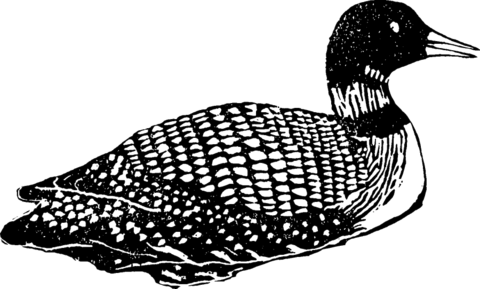
Arctic Skua (Stercorarius parasiticus) (kustlabb) Bjuröklubb
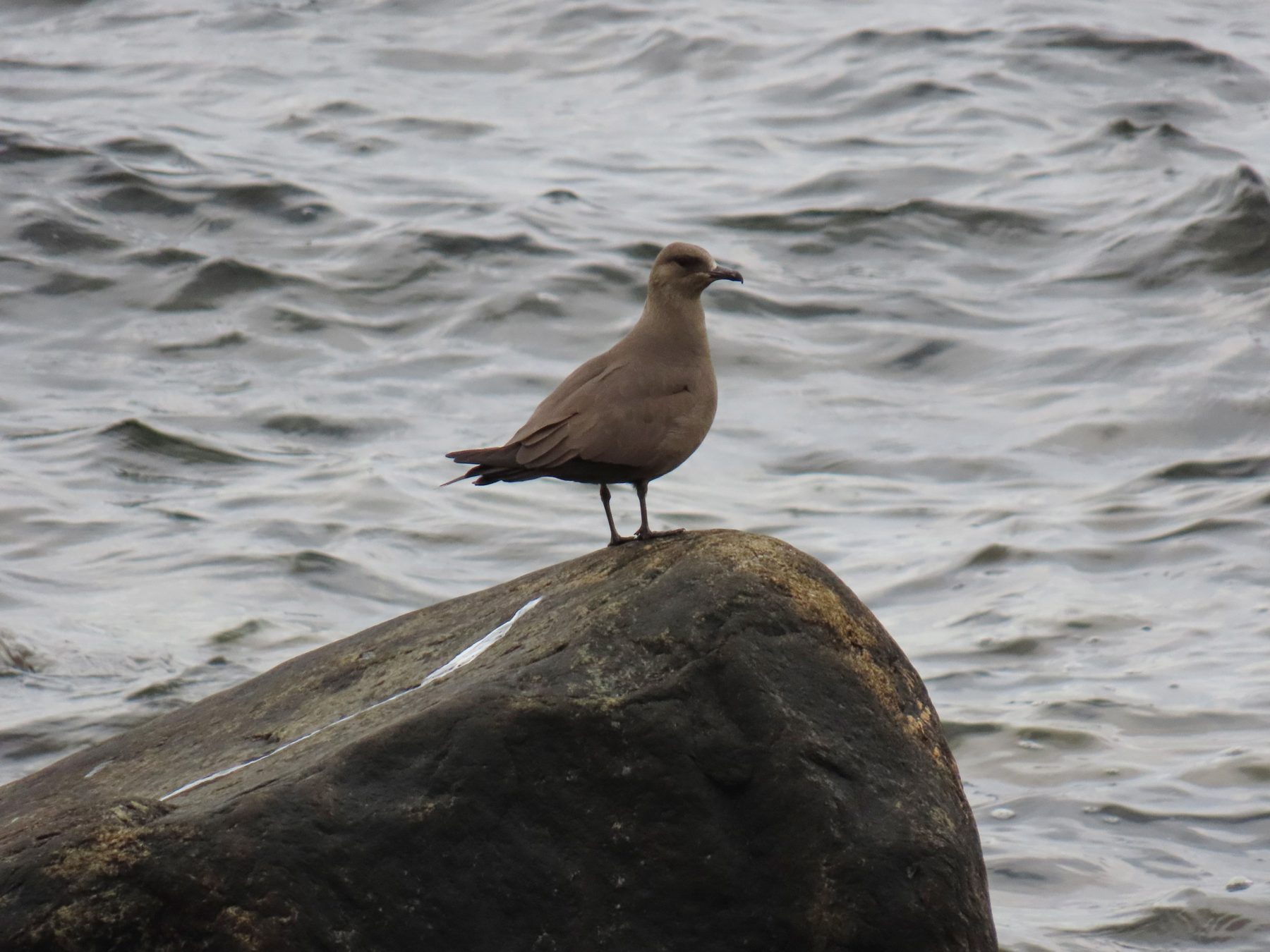
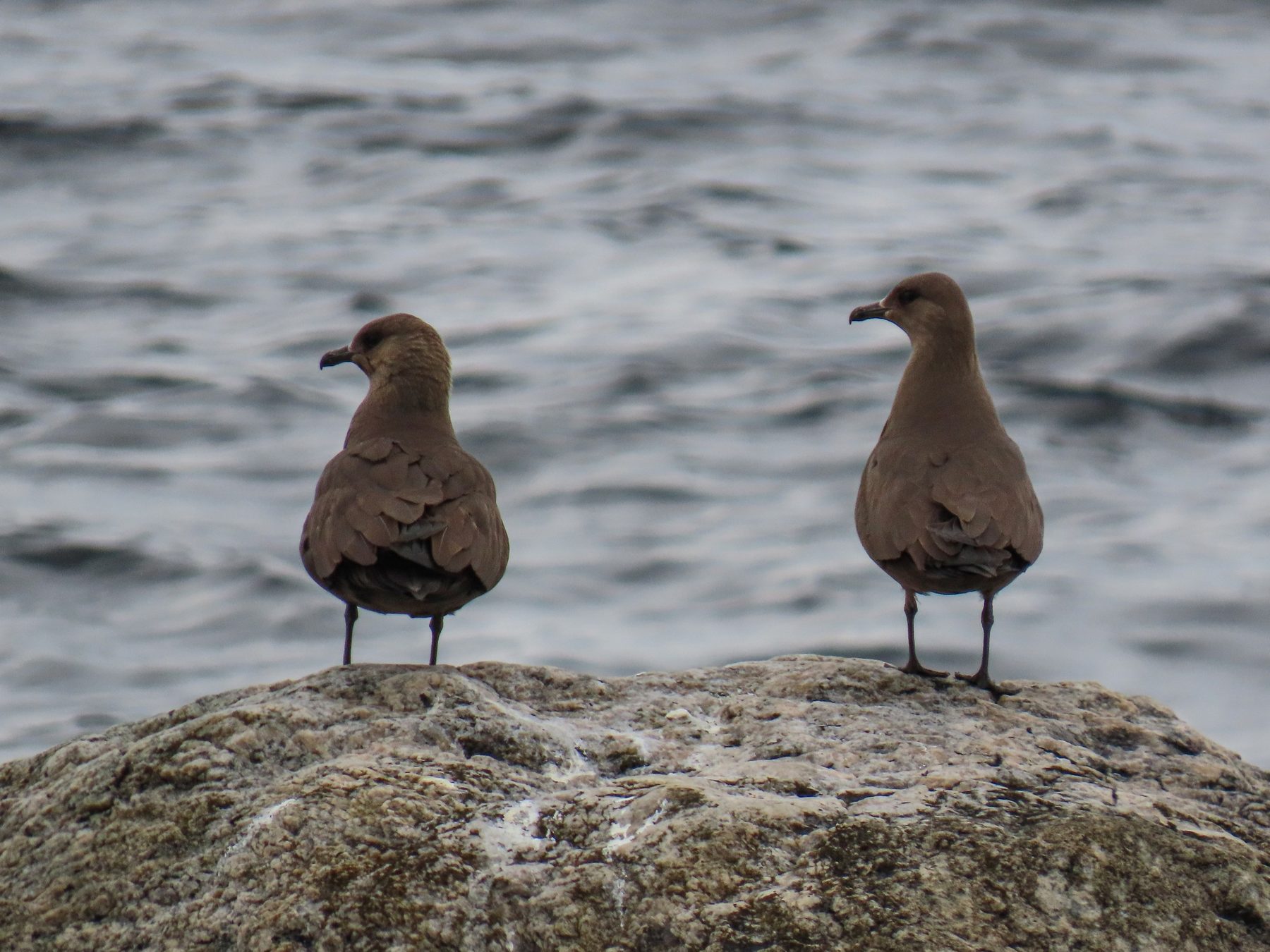
Arctic Skua the scientific name, parasiticus, describes how the bird eats. Skuas are kleptoparasites. Rather than catch a fish, they find a bird that already has one and take it off them.
That isn’t all they eat. Away from colonies they hunt: eggs, chicks, small birds, voles, insects, berries in late summer. They scavenge.
Since 2021 the H5N1 strain 2.3.4.4b has been moving through seabirds worldwide, killing at a scale nobody had recorded before. Skuas have taken it badly. The clearest case is the Great Skua, the bigger relative that breeds in Scotland, Iceland and the Faroes. Britain held around 60% of the world’s Great Skuas. After the 2021–22 outbreak the UK breeding population dropped by something between 70 and 80%. Counts of birds passing on migration fell by about the same, which is a separate measurement pointing at the same hole.¹ The virus has since reached Antarctica and killed skuas there too.²
The reason is probably the diet. Scavengers eat things that died of something. And a kleptoparasite swallows food that has just come out of another bird’s throat, which is about as direct a route as you could design. A paper in 2024 put it plainly: kleptoparasitism isn’t only a way for skuas to catch the virus, it’s a way of moving it, because these birds cross oceans and rob whatever they meet on the way.³
Arctic Skuas have come out of it better so far. Mortality at their colonies has stayed low even where other species were being flattened.⁴ Nobody has a good explanation. It might be diet, timing, or luck, and it might not hold for the next strain.
Some surviving Great Skuas carry antibodies now, and a number of them have an oddly pale iris that may mark a bird that was infected and lived.⁵ If that reading holds, immunity is building. It arrives after most of the birds are already dead.
SOURCES
¹ Benjumea et al., Great Skua declines and migration counts, Marine Ecology, 2026.
² Skua mortality in Antarctica, Scientific Reports, 2025.
³ Kleptoparasitism in seabirds, a potential pathway for global avian influenza virus spread, 2024.
⁴ Global population status of the Arctic Skua Stercorarius parasiticus, Bird Conservation International.
⁵ Banyard et al., H5N1 clade 2.3.4.4b in Great Skuas, first UK detections, antibodies and iris colour.